


-

Add: HeBei ShengShi HongBang Cellulose Technology CO.,LTD.
-

Email
13180486930@163.com -

CONTACT US
+86 13180486930



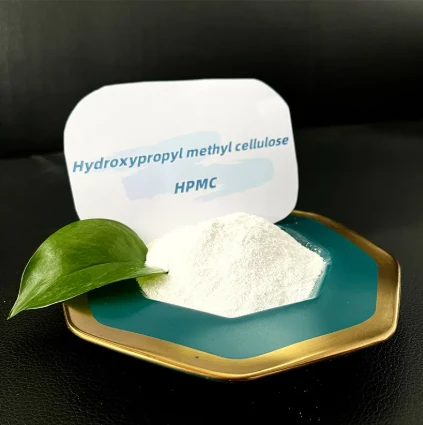
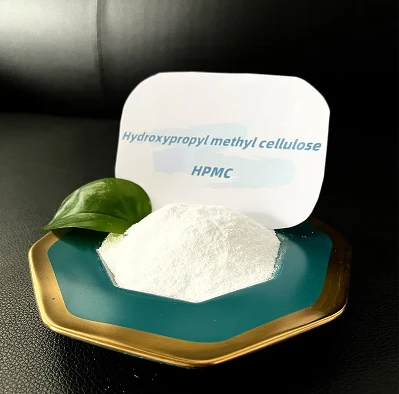
Hydroxypropyl Methylcellulose (HPMC) has seen a surge in demand across various industries, making the buying process an area of great interest. For those seeking to purchase HPMC, having a comprehensive understanding of the product, coupled with insights from industry professionals, is essential. An important characteristic of HPMC is its versatile applicability. With its non-toxic, tasteless, and odorless attributes, it is commonly used in pharmaceuticals, construction, food, and personal care products. In pharmaceuticals, HPMC acts as a binder and time-release agent, ensuring effective delivery of active ingredients. For construction, it enhances water retention and workability in products like cement and mortar, showcasing its pivotal role in the building sector. Purchasing HPMC demands expertise from industry insiders who emphasize the importance of quality . Experts recommend sourcing from certified manufacturers who adhere to international standards such as ISO and GMP. These certifications guarantee that the HPMC is manufactured under stringent quality control, ensuring product reliability and safety for end-users. Real-world experience highlights the importance of considering particle size and viscosity levels when buying HPMC. Different applications require specific viscosity ranges; for instance, higher viscosity HPMC is ideal for tile adhesives, whereas lower viscosity types might be better for pharmaceutical applications. Experienced professionals suggest requesting product samples to conduct application-specific tests before making bulk purchases. This not only ensures compatibility but also prevents potential product wastage. Authoritative voices in the industry emphasize the significance of understanding regional regulations. Product compliance can often vary depending on geographical location, affecting the import and usage of HPMC. Therefore, it is advisable to consult with regional experts and legal advisors to navigate through these regulatory frameworks effectively. hpmc buy Trustworthiness in the HPMC supply chain is another crucial factor. Buyers are advised to perform due diligence on suppliers. This includes reviewing company histories, customer testimonials, and case studies. Opting for suppliers with a proven track record, robust customer support and transparent business practices can significantly diminish risks associated with quality and delivery schedules. For ensuring seamless transactions, economic considerations play a pivotal role. Bulk purchasing can lead to significant cost reductions. However, financial experts suggest balancing purchase volume with inventory management to avoid overstocking, which could lead to increased holding costs. Developing a strategic purchasing plan with flexible terms can optimize financial outcomes while securing a steady supply of HPMC. Finally, leveraging technology can greatly aid in the HPMC procurement process. Utilizing supply chain management software can streamline operations, providing real-time updates on inventory levels, shipment tracking, and vendor communication. Such tools enhance efficiency, ensuring that the acquisition process aligns with business objectives. In conclusion, buying HPMC involves a blend of understanding its applications, ensuring quality through certified suppliers, adhering to regulations, establishing trust with vendors, managing economic factors wisely, and incorporating technological solutions. By focusing on these aspects, businesses can make informed decisions, optimizing the benefits of HPMC across their respective industries.
- 40000tons

Production
- 20+years

Experience
- 5000+㎡

Acreage

-
Glass filled polypropylene, commonly known as glass filled PP, is a marvel of modern engineering that brings a plethora of benefits across various industries. As a seasoned industry expert, I have seen firsthand how the incorporation of glass fibers into polypropylene matrices has transformed the durability and functionality of a range of products, making it a material of choice for numerous applications. In the realm of automotive manufacturing, glass filled PP has emerged as a driving force behind enhanced vehicle performance and durability. Its superior strength-to-weight ratio makes it an ideal substitute for heavier metals, contributing to significant weight reductions in vehicles. This not only improves fuel efficiency but also reduces carbon emissions, aligning with global sustainability goals. I have observed that automotive engineers often prefer glass filled PP for parts like front-end modules and under-the-hood components due to its exceptional thermal resistance and sound dampening properties. The packaging industry is another sector where glass filled polypropylene has made significant inroads. Its robust mechanical properties ensure that containers and packaging materials maintain their integrity even under extreme conditions. With the heightened focus on sustainable packaging solutions, glass filled PP offers an eco-friendly alternative that does not compromise on performance. My experience with leading packaging manufacturers has shown that switching to glass filled PP can lead to reduced material wastage and enhanced recyclability of products. In the electrical and electronics fields, glass filled PP has set new standards for efficiency and safety. Its excellent insulating properties and resistance to electrical conductivity make it ideal for housing electrical components. Additionally, its flame retardant capabilities provide an added layer of safety, crucial in the manufacturing of household appliances and consumer electronics. Industry specialists frequently refer to glass filled polypropylene as a game-changer for enhancing product longevity and reliability. The construction industry, too, has not been left behind in embracing the advantages of glass filled PP. This material has been instrumental in creating lightweight, yet robust construction materials, from piping systems to roofing components. Its resistance to chemical corrosion and moisture absorption makes it particularly suitable for use in extreme environmental conditions. During my consultations with construction firms, the feedback has been overwhelmingly positive, highlighting reduced maintenance costs and improved infrastructure resilience. glass filled pp From a technical perspective, the process of compounding glass fibers with polypropylene demands precision and expertise. The proportion of glass filler can be meticulously controlled to optimize the material's mechanical properties for specific applications. My collaborations with polymer scientists and engineers have underscored the importance of technology and precision in manufacturing these advanced composite materials. The true innovation of glass filled polypropylene lies not just in its structural benefits, but also in its versatility. This material can be tailored to meet a wide range of aesthetic and functional requirements, allowing for custom solutions that cater to specific industry needs. Its adaptability and ease of processing mean that manufacturers can create parts with intricate geometries and superior surface finishes, which are often required in both consumer and industrial applications. Trust in materials is pivotal across industries, and glass filled PP does not fall short in this respect. Reputable testing and certification processes bolster its credibility, providing assurance of its performance and compliance with industry standards. It is crucial for manufacturers to rely on certified suppliers to ensure the uniformity and quality of glass filled PP, which in turn maintains the integrity of the final products. My experiences with quality assurance specialists have shown that this reduces long-term liability and enhances consumer trust. In conclusion, the transformative impact of glass filled polypropylene cannot be overstated . Its innovative blend of strength, durability, and versatility offers a sustainable path forward across diverse sectors, from automotive to electronics and beyond. Embracing glass filled PP as a staple in product manufacturing is not just a step towards modernity but a commitment to progress and excellence. With a keen eye on emerging trends and technological advancements, industries can continue to leverage this material’s full potential, yielding products that are not only superior in performance but also aligned with the highest standards of quality and environmental responsibility.
-
Hydroxypropyl Methylcellulose, commonly referred to as HPMC, is a multi-faceted cellulose-based polymer that’s extensively utilized across a multitude of industries. When speaking specifically about HPMC K4M, it references a grade of HPMC that appears prominently in several sectors, notably pharmaceuticals, food, construction, and cosmetics. The “K4M” designation speaks to the viscosity measurement—it is an integral feature that defines its application capabilities and functional advantages. Within pharmaceuticals, HPMC K4M stands as a pillar due to its controlled release capabilities, making it indispensable in formulating sustained-release drugs. As a viscosity agent, it retards the dissolution rate of drugs, offering a way to manage dosage releases over extended periods. Experience within this realm underscores its stability and efficiency. Researchers and formulators appreciate HPMC K4M's ability to maintain stable drug release profiles, even under extreme environmental conditions, thus qualifying it as a reliable excipient. Its inherent degree of consistency in pharmaceutical applications ensures patients benefit from trusted medication performance, marrying both expertise and trustworthiness in pharmaceutical engineering. In the construction industry, HPMC K4M serves as an essential additive for tile adhesives and plaster. Its expertise is demonstrated through its abilities as a thickening agent; it imparts crucial water retention and workability to cement mixes. Construction professionals frequently cite HPMC K4M's influence on consistency during application, ensuring even distribution of materials with reduced risk of cracking or shrinkage. This attribute reflects the authoritativeness of HPMC K4M in construction, triangulated by decades of field application that underline how fundamental it is for creating robust, durable surfaces. The food industry leverages HPMC K4M for its stabilizing and emulsifying properties . It offers culinary solutions, particularly in maintaining the integrity of sauces, dressings, and toppings. As a food additive, it provides a sense of trust for manufacturers aiming to achieve specific textures or moisture levels without compromising on quality or safety. Expertise in food science continually validates HPMC K4M due to its non-toxic, non-allergenic nature, effectively demonstrating its aptitude in satisfying industry standards related to consumer health and safety. hpmc k4m full form In cosmetology, HPMC K4M's role as a thickening, emulsifying, and stabilizing agent cannot be overemphasized. Cosmetic formulations reliant on moisturizing solutions frequently include HPMC K4M for its consistent performance in product stability and texture, enhancing user experience. This agent's inclusion transforms ordinary skincare items into luxurious applications with consistent texture and spreadability, fostering consumer trust through reliable product performance. Thus, with an established reputation throughout various industries, HPMC K4M's contributions are multi-dimensional—ranging from the pharmaceutical sector's demand for precision and control to construction's need for material stability, the culinary arts' quest for consistent quality, and the cosmetic industry's innovation for texture and feel. It is precisely its adaptability and proven reliability that affirm HPMC K4M's position as a product derived from decades of expertise and experience. The momentous role of HPMC K4M as an industry staple underscores not just its versatility, but also its foundational reliability meticulously crafted through precise scientific engineering and comprehensive application studies. Informed stakeholders consistently rely on this particular grade of HPMC, evidenced by its longstanding integration into myriad applications where tensile reliability and performance trust are not merely advantageous, but essential. In crafting solutions where longevity, efficiency, and safety intersect, HPMC K4M emerges as a pivotal component deservedly respected across sectors. Each instance of its application points toward an undeniable synergy between innovative material science and practical industry demands, cementing its perpetuity as both a modern marvel and a future-oriented choice in material augmentation.
advantages
-

200000 Viscosities
Excellent product
We can produce pure products up to 200,000 viscosities
-

40000 tons
High yield
We don’t stop production all year round, and the annual output can reach 40,000 tons
-

24 hours
Quality service
We provide 24-hours online reception service, welcome to consult at any time
———— Inquiry Form
Schedule A services

-
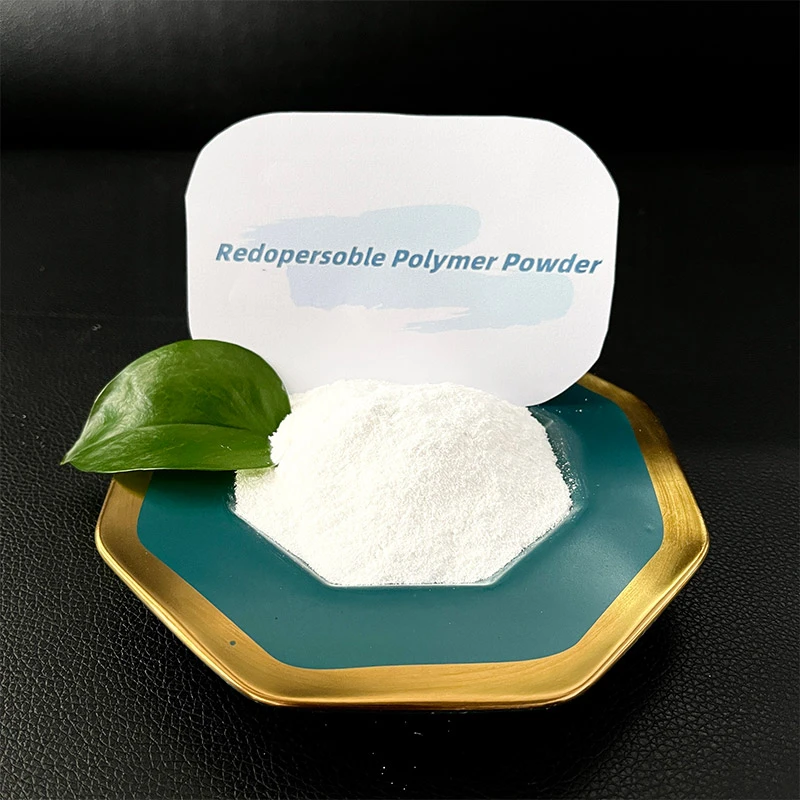 reinforcement_fiber_for_concrete
Oct . 25, 2025
In the complex world of construction and building materials, innovative products regularly establish -
 bei_ya_methylcellulose
Oct . 25, 2025
Polypropylene fiber is a versatile, durable material that is used in a variety of applications acros -
 hpmc_e_15
Oct . 25, 2025
In the vast landscape of chemical manufacturing, Hydroxypropyl Methylcellulose (HPMC) stands out as


